Call: 08045803781
 Send Inquiry
 Send Inquiry
Slot Drill Carbide Ball Nose
MOQ : 1 Piece
Slot Drill Carbide Ball Nose Specification
- Cutting Capacity
- High
- Machine Type
- CNC Milling Machine, Vertical Milling Machine
- Length
- 50 mm to 150 mm overall length
- Features
- Precision Ground, Wear Resistant, High Toughness, Suitable for High-Speed Machining
- Material
- Solid Carbide
- Cutter Type
- Ball Nose Cutter
- Operate Method
- CNC Machining/Manual Operation
- Operation Type
- Slotting, Profiling, Contouring
- Cutting Force
- Low
- Hardness
- HRC 45-55
- Cutting Speed
- 80-130 m/min
- Tool Type
- End Mill, Slot Drill
- Coating Type
- TiN or AlTiN
- Shape
- Ball Nose
- Cutting Accuracy
- 0.02 mm
- Coating
- TiN (Titanium Nitride)
- Drill Bits Types
- Ball Nose End Mill
- Diameter
- 2 mm to 20 mm
- Maximum Torque
- Dependent on application (typically up to 5 Nm for small sizes)
- Processing Type
- Finishing, Contouring
- Shank Type
- Straight, Weldon
- Packaging
- Plastic Tube
- Surface Finish
- Polished
- Standards
- ISO/ANSI/DIN compatible
- Blade Size
- Customizable/Varies by diameter
- Helix Angle
- 30°-45°
- Compatible Materials
- Steel, Stainless Steel, Cast Iron, Non-Ferrous Metals, Plastics
- Usage
- Mould and Die Industry, Aerospace, Automotive, Tooling
- Number of Flutes
- 2, 3 or 4
About Slot Drill Carbide Ball Nose
Slot Drill is a cutter with teeth on the periphery end, and integral with a parallel shank for holding and driving. It is regularly furnished with right hand straight flutes or helical flutes.
Usage: Mainly used for machining round headed flat key seats. Also used to work open grooves, small number used for insertion milling, drilling and finishing.
Feature and Precision: Suitable for milling grooves with width requirements.
Also used on CNC and Lathe Machine
Solid carbide tools offer long tool life and faster cutting speeds than other substrates, but are more brittle and must be used with rigid toolholding systems. Uncoated tools feature just the base substrate without any additional treatment or coatings and are suitable for a wide range of applications. Round shanks allow use with a wide variety of toolholding systems . For applications in steel and non-ferrous materials.
Versatile Engineering Applications
Our Slot Drill Carbide Ball Nose is widely deployed across mould and die making, aerospace fabrication, automotive components, and general industrial tooling. Its adaptable diameter range (2 mm to 20 mm), customizable length, and multiple shank types ensure reliable fitment for various machines and working environments.
Robust Material & Advanced Coatings
Manufactured from solid carbide and treated with high-performance TiN or AlTiN coatings, this cutter boasts significant hardness (HRC 45-55) and longevity. The precision-ground polished surface reduces friction and enhances chip evacuation, making it suitable for continuous high-speed machining under demanding production cycles.
Enhanced Cutting Precision & Efficiency
The tool is engineered for superior cutting accuracy (0.02 mm), high capacity, and low cutting force. Its optimized helix angle and flute design deliver smooth surface finishes and stable performance, whether slotting, contouring, or profiling intricate geometries on CNC or manual machines.
FAQs of Slot Drill Carbide Ball Nose:
Q: How do I select the correct number of flutes for a Slot Drill Carbide Ball Nose?
A: Choosing 2, 3, or 4 flutes depends on the material and application. Fewer flutes (2-3) are preferable for softer metals and plastics as they provide better chip clearance, while 4 flutes are ideal for harder materials requiring finer finishes.Q: What is the recommended usage process for this ball nose end mill?
A: Start by selecting the suitable diameter and flute count for your material. Secure the tool in a CNC or vertical milling machine with a compatible shank. Maintain the recommended cutting speed (80-130 m/min) and apply proper coolant for optimal performance.Q: Where can this tool be applied in industrial settings?
A: The cutter is extensively used in mould and die manufacturing, aerospace component production, automotive part machining, and general tooling where high-precision finishing, slotting, or profiling is essential.Q: What are the main benefits of the TiN coating on the Slot Drill Carbide Ball Nose?
A: The TiN (Titanium Nitride) coating enhances wear resistance, supports higher cutting speeds, and reduces friction, resulting in a longer tool life and superior surface finish on various workpiece materials.Q: When should I use a ball nose end mill instead of a flat end mill?
A: A ball nose end mill is ideal for finishing contoured surfaces, complex 3D shapes, and detailed mould cavities. Use it when smooth surface transitions or filleted edges are necessary rather than sharp corners.Q: How does the ball nose cutter ensure cutting accuracy and quality finishes?
A: Precision ground geometry, a highly polished surface, and controlled helix angles enable tight tolerance machining (0.02 mm) and consistent surface quality, reducing the need for secondary finishing processes.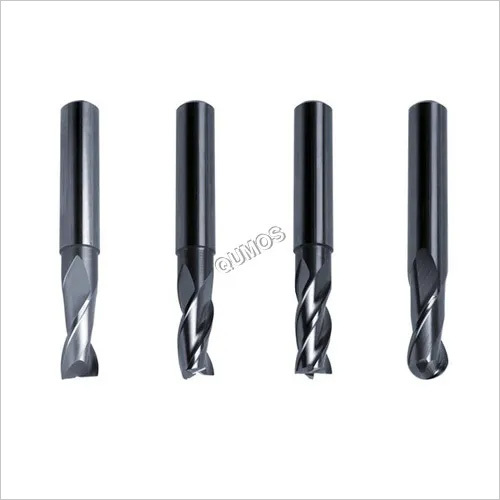
Tell us about your requirement

Price:
Quantity
Select Unit
- 50
- 100
- 200
- 250
- 500
- 1000+
Additional detail
Mobile number
Email

More Products in Engineering Cutting Tools Category
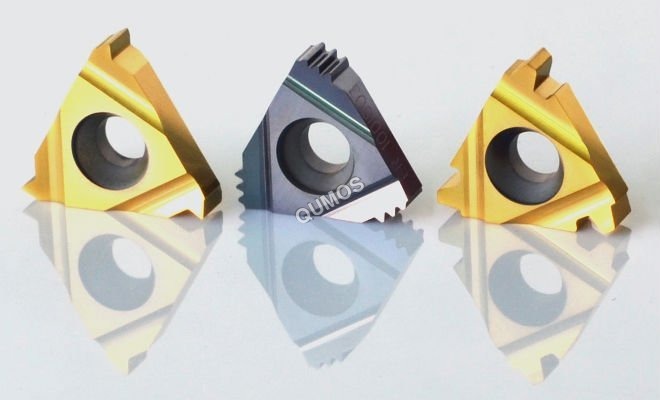
Carbide Insert Threading Vardex Korloy Kyocera Taegutec Sandvik Widia Kennametal Ceratizit Walter
Price 50 INR
Minimum Order Quantity : 1 Piece
Material : Others, Ultrafine grain carbide
Hardness : 9294 HRA
Machine Type : CNC Lathe, Turning Centers
Cutting Capacity : Suitable for threading ranges M1M150
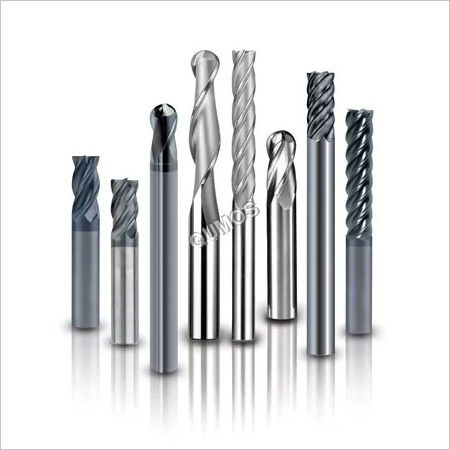
End Mill
Price 1053 INR
Minimum Order Quantity : 1 Piece
Material : Others, High Speed Steel (HSS)
Hardness : HRC 6062
Machine Type : Milling Machine
Cutting Capacity : Up to 4 mm depth
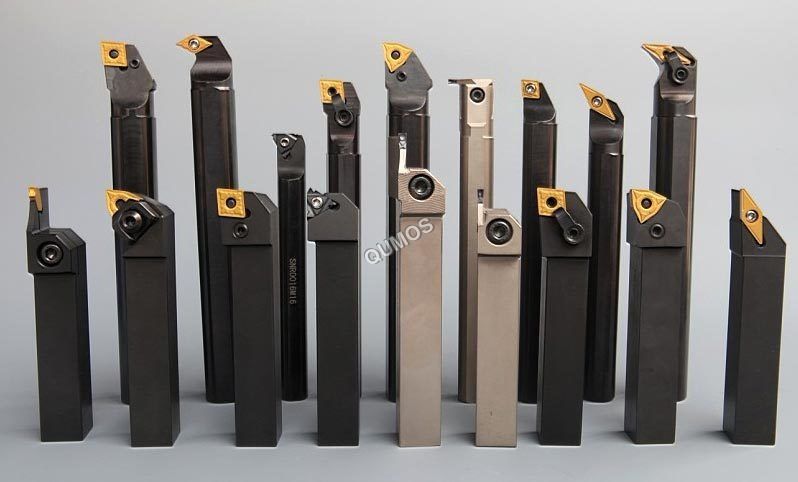
Carbide Insert Tool Holder
Price 500 INR
Minimum Order Quantity : 1 Piece
Material : Others, Alloy Steel Body with Carbide Insert
Hardness : 92 HRA
Machine Type : Lathe, CNC Lathe
Cutting Capacity : Suitable for medium cutting operations
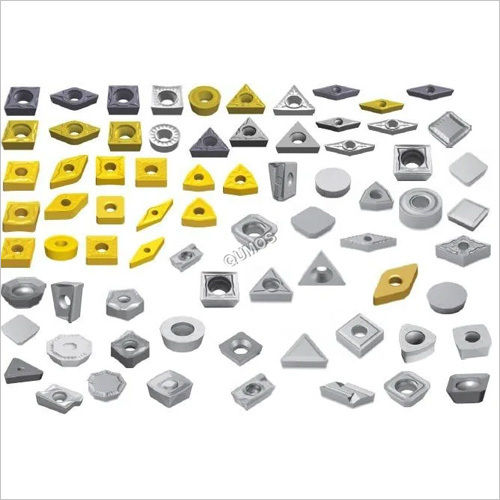
Carbide Inserts Tips
Price 70 INR
Minimum Order Quantity : 1 Piece
Material : Tungsten Carbide
Hardness : High Hardness for Increased Tool Life
Machine Type : CNC Machines Lathe Machines
Cutting Capacity : Suitable for Metal Cutting

Contact Details
QUMOS ENTERPRISES
GST : 27AAYPU0913C1ZH
- Shop No.1,12, Nagdevi Cross Lane, 70, Mohammedali Road, Mohammedi Manzil,Mumbai - 400003, Maharashtra, India
- Phone :08045803781

 Send Inquiry
Developed and Managed by Infocom Network Private Limited.
