Call: 08045803781
 Send Inquiry
 Send Inquiry
Fluteless Threading Tap HSS
MOQ : 1 Set
Fluteless Threading Tap HSS Specification
- Cutting Accuracy
- ISO Standard tolerance
- Material
- High Speed Steel (HSS)
- Shape
- Cylindrical
- Length
- Overall length 50 mm to 120 mm
- Cutter Type
- Thread Forming
- Cutting Force
- Low, designed for thread forming without cutting
- Hardness
- HRC 6265
- Coating Type
- None / Special coatings available
- Features
- Chipless threading, high accuracy, durable, ideal for blind holes
- Coating
- Uncoated / Can be TiN coated
- Cutting Capacity
- Suitable for non-ferrous and soft materials, particularly aluminum and zinc alloys
- Tool Type
- Fluteless Threading Tap
- Operation Type
- Threading
- Cutting Speed
- High, up to 30 m/min (in suitable materials)
- Machine Type
- Tapping Machine, CNC, Drill Press
- Operate Method
- Machine or hand operation
- Diameter
- 2 mm to 20 mm (varies per model)
- Maximum Torque
- Depends on tap size and material, typically up to 50 Nm
- Processing Type
- Thread Forming
- Rake Angle
- Zero (since no cutting action)
- Thread Standard
- Metric, UNC, UNF, BSP, or custom per requirement
- Hole Type
- Blind and through holes
- Point Type
- Forming tip
- Tolerance Class
- 6H or as specified
- Application
- Preferred for thread forming in aluminum, brass, copper, and zinc alloys
- Flute Type
- Fluteless (chipless)
- Recommended Lubrication
- Cutting oil required for optimal performance
- Blade Size
- Standard sizes; customizable as per thread requirement
- Helix Angle
- Zero (since no flutes)
- Compatibility
- Compatible with most tapping machines and CNC systems
- Thread Pitch
- Standard or fine pitch as required
- Surface Finish
- Smooth, reduces friction, enhances tool life
About Fluteless Threading Tap HSS
Fluteless Threading Tap HSS
FLUTELESS Otherwise known as Roll, Forming or Polygon taps. Used for the chipless production of threads in ductile materials such as copper, aluminium or soft brass. As the name implies they do not have flutes but lobes, which contact the work piece to form the thread by extrusion. They are operated at high speeds and are better at maintaining size. As long as all of the correct operating criteria are met, i.e. speed, hole size and lubrication, they have a longer life and less breakages than with other types of machine taps. Because they produce no chips they are very suitable for blind hole tapping. Fluteless taps require different tapping drill sizes and higher operating speeds than conventional taps, see later. They also produce stronger threads. All sizes and varieties available with us.
Optimal Performance in Soft Metals
Engineered for thread forming in non-ferrous and soft materials like aluminum and zinc alloys, the Fluteless Threading Tap HSS ensures low cutting forces and precise threading. Its chipless operation makes it ideal for materials prone to clogging, resulting in cleaner threads and reduced downtime due to chip removal.
Versatile Application Platform
Compatible with most tapping machines, CNC systems, and drill presses, this threading tap is suitable for both machining operations and manual processes. Standard and customizable blade sizes support various thread pitches and tolerances, offering adaptability for unique project requirements and broad industry use.
Durable Construction and High Accuracy
Manufactured from robust high-speed steel with a hardness of HRC 6265, this tap guarantees resilience against wear and extended tool life. Its zero rake and zero helix angles, along with a forming tip design, provide high-speed operation (up to 30 m/min) and maintain ISO-standard thread accuracy across both blind and through holes.
FAQs of Fluteless Threading Tap HSS:
Q: How does the fluteless threading tap work during the thread forming process?
A: The fluteless threading tap operates by deforming the material to create threads, rather than cutting them. Its chipless, forming tip design ensures that the material is pressed and shaped into the thread profile, ideal for soft metals like aluminum or brass, resulting in clean, accurate threads without chip buildup.Q: What types of holes can this tap be used in?
A: This tap is suitable for both blind and through holes. Its design allows effective thread forming deep into the material without the risk of chip accumulation, making it particularly advantageous when working with closed-end (blind) holes as well as open-ended (through) ones.Q: When is cutting oil recommended for use with this tap?
A: Cutting oil is recommended during all thread forming operations with the fluteless tap. Proper lubrication reduces friction, lowers the required torque, enhances tool life, and ensures smooth thread quality, especially when working with soft or non-ferrous metals.Q: Where can the fluteless threading tap be used?
A: The fluteless threading tap can be employed in a variety of machining platforms, such as tapping machines, CNC systems, and drill presses. Its compatibility with both manual and automated equipment ensures flexibility across different industrial setups and applications.Q: What are the main benefits of using a fluteless threading tap?
A: The key benefits include chipless operation for cleaner threads, high dimensional accuracy, extended tool life due to reduced friction, and suitability for high-speed thread forming in soft alloys. This improves efficiency and reduces maintenance associated with chip removal.Q: Which thread standards and pitch options are available?
A: The tap supports Metric, UNC, UNF, BSP thread standards, as well as custom specifications. Users can select from standard to fine thread pitches according to their project requirements, making the tool adaptable to a wide range of threading tasks.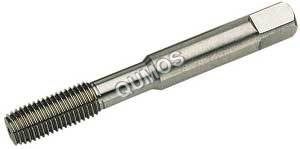
Tell us about your requirement

Price:
Quantity
Select Unit
- 50
- 100
- 200
- 250
- 500
- 1000+
Additional detail
Mobile number
Email

More Products in Engineering Cutting Tools Category
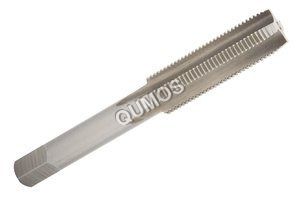
STI Tap - Threading HSS
Price 353 INR
Minimum Order Quantity : 1 Set
Material : Others, High Speed Steel (HSS)
Shape : Straight Flute
Hardness : HRC 6065
Coating Type : No special coating
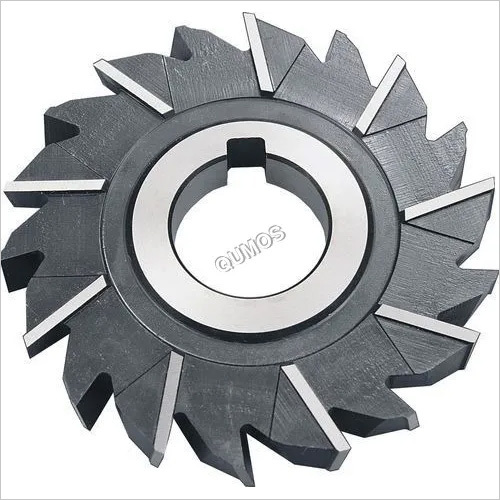
Side and Face Cutter
Price 453 INR
Minimum Order Quantity : 1 Piece
Material : Others, High Speed Steel (HSS) / Carbide
Shape : Round with side and face teeth
Hardness : HRC 5060
Coating Type : Plain / Customized

Hob Cutter
Price 1000 INR
Minimum Order Quantity : 1 Piece
Material : Others, High Speed Steel (HSS) / Carbide
Shape : Cylindrical with helical teeth
Hardness : HRC 5862
Coating Type : Standard or multilayer coated
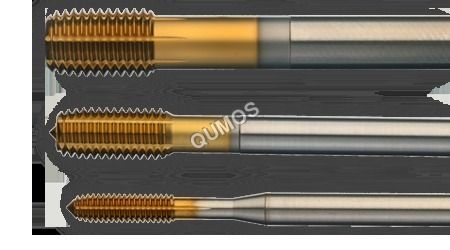
Thread Forming Tap
Price 553 INR
Minimum Order Quantity : 1 Set
Material : Others, HighSpeed Steel (HSS)
Shape : Cylindrical
Coating Type : Surface Coated

Contact Details
QUMOS ENTERPRISES
GST : 27AAYPU0913C1ZH
- Shop No.1,12, Nagdevi Cross Lane, 70, Mohammedali Road, Mohammedi Manzil,Mumbai - 400003, Maharashtra, India
- Phone :08045803781

 Send Inquiry
Developed and Managed by Infocom Network Private Limited.
