Call: 08045803781
 Send Inquiry
 Send Inquiry
Threading Taps - Long shank HSS
MOQ : 1 Set
Threading Taps - Long shank HSS Specification
- Cutting Capacity
- Suitable for threading deep blind or through holes
- Coating
- Uncoated
- Drill Bits Types
- Hand Tap / Machine Tap
- Features
- Extended reach, high durability, precise threading, suitable for deep thread applications
- Machine Type
- Suitable for hand tapping, tapping machines, drill presses
- Cutting Speed
- Varies with material, typically 812 m/min for steel
- Cutting Accuracy
- High Precision
- Shape
- Straight Shank
- Material
- High Speed Steel (HSS)
- Coating Type
- Standard
- Hardness
- HRC 58-62
- Length
- Long shank, varies (typically 100180 mm)
- Operation Type
- Tapping
- Operate Method
- Manual or Machine Operation
- Cutter Type
- Thread Cutter
- Cutting Force
- Moderate to High
- Tool Type
- Threading Tap
- Diameter
- Available in different metric and inch sizes (M2 to M18 typical)
- Maximum Torque
- Up to 70 Nm depending on diameter
- Processing Type
- Thread Cutting
- Surface Treatment
- Bright finish
- Point Type
- Taper, Plug, or Bottoming (available variants)
- Thread Type
- Metric, UNC, UNF, BSP, BSW
- Flute Type
- Straight Flute
- Standard
- ISO, DIN, JIS (available as per request)
- Blade Size
- Long shank; size varies according to tap diameter
- Weight
- Depends on size, approx. 50-180 gm
- Application
- Machining, fabrication, maintenance
- Package Contents
- Single piece or set (as per requirement)
- Tolerance
- Standard tolerance as per ISO/DIN
About Threading Taps - Long shank HSS
Threading Taps - Long shank HSS
MACHINE NUT (BS949) These taps were designed for tapping nuts on machines, and have a long thread, shank and square length. The shank diameter is reduced below the thread minor diameter to enable the tap to run through the work piece. This was originally to allow nuts to collect on the shank. For nut production, taper leads were used to distribute the cutting action, but these taps are now generally used as long reach, and are supplied also in bottom and second leads. DIN 376 and 374 These are European standard taps that are dimensionally different to the standard ISO 529 UK types. They are generally longer and have reduced shanks as do Nut Taps. Basically DIN 376 are for standard coarse threads, and DIN 374 for fine threads. A third type DIN 371 is available. These have bigger shanks, so are not really classed as long reach. All of these taps are available in the same types as ISO 529. All sizes and varieties available with us.
Versatile Threading for Multiple Standards
Our threading taps adhere to major international standards, including ISO, DIN, and JIS (as per request). They accommodate popular thread types such as Metric, UNC, UNF, BSP, and BSW. This versatility allows them to be used in a variety of industries and applications, simplifying tooling requirements and ensuring compatibility with existing setups.
Precision and Durability in Every Cut
Manufactured from premium High-Speed Steel (HSS) and hardened to HRC 5862, these taps deliver high cutting accuracy and strength. The straight flute and uncoated, bright finish reduce friction and extend tool life, while the long shank design offers deep reach for threading through thick materials or hard-to-access locations.
Flexible Packaging and Reliable Performance
Threading taps are available for purchase as single units or as sets based on your requirements. With a high cutting capacity and torque tolerance up to 70 Nm, these taps support both hand and machine tapping. They are widely chosen for deep blind or through hole threading jobs, ensuring reliable performance batch after batch.
FAQs of Threading Taps - Long shank HSS:
Q: How should long shank threading taps be used for optimal results?
A: For optimal performance, ensure the correct tap type (taper, plug, or bottoming) is chosen based on the hole depth and required thread finish. Use suitable cutting speeds (812 m/min for steel), apply lubricant if needed, and maintain straight alignment with the workpiece. These taps can be operated manually or by machine, such as a tapping machine or drill press.Q: What materials can these HSS threading taps thread through?
A: These High-Speed Steel (HSS) taps are suitable for threading a range of materials, including steel, cast iron, non-ferrous metals, and certain plastics, making them versatile for machining and fabrication tasks.Q: When is a long shank threading tap necessary?
A: A long shank tap is essential when threading deep blind holes or areas that are otherwise hard to reach with standard taps. The extended shank allows work in restricted or deep cavities, ensuring thorough and precise thread cutting.Q: Where can these taps be used in industrial settings?
A: These taps are commonly utilized in machine shops, fabrication plants, maintenance departments, and manufacturing units across sectors such as automotive, aerospace, and general engineering, particularly for operations demanding deep thread applications.Q: What is the process of selecting the right tap for my application?
A: Select the appropriate threading tap by considering the required thread type (Metric, UNC, etc.), the depth of the hole (for shank length), and the operation type (hand or machine). Confirm the required standard (ISO, DIN, or JIS) and choose among taper, plug, or bottoming point types depending on your threading sequence.Q: Which benefits do long shank threading taps offer over standard taps?
A: Long shank threading taps provide extended reach for deep threading, high-precision thread profiles, and the flexibility to work in difficult-to-access or deep areas, reducing the need for secondary operations or custom tooling.Q: What packaging options and specifications are available?
A: These taps are supplied either as single pieces or in custom sets, accommodating a variety of project needs. Sizes typically range from M2 to M18 (or equivalent inch sizes), with weights from 50180 grams depending on the diameter and length.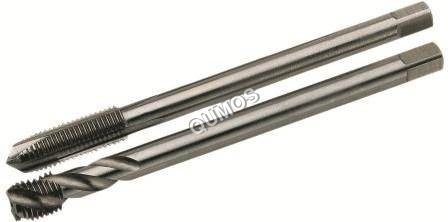
Tell us about your requirement

Price:
Quantity
Select Unit
- 50
- 100
- 200
- 250
- 500
- 1000+
Additional detail
Mobile number
Email

More Products in Engineering Cutting Tools Category
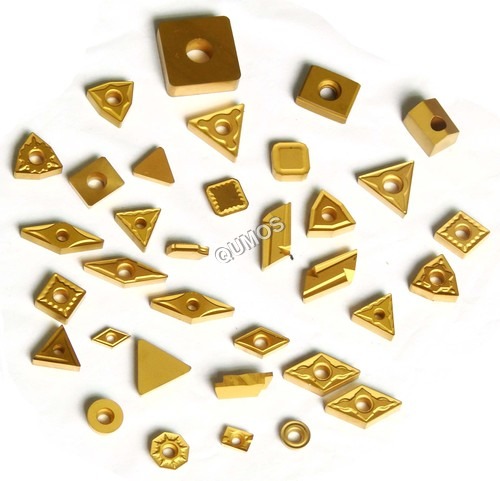
Carbide Tip
Price 110 INR
Minimum Order Quantity : 1 Piece
Coating : Uncoated
Material : Tungsten Carbide
Features : High durability, wear resistance, heat resistance, precise cutting
Processing Type : Milling, Drilling, Turning
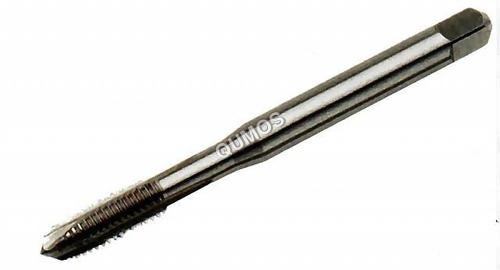
Machine Tap
Price 1521 INR
Minimum Order Quantity : 1 Set
Coating : Uncoated
Material : Others, High Speed Steel (HSS)
Features : High durability, Precision Cutting, Wear Resistance
Processing Type : Threading
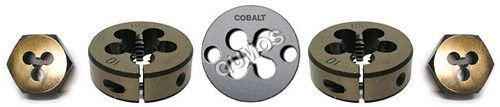
Threading Die
Price 353 INR
Minimum Order Quantity : 1 Piece
Coating : Uncoated
Material : Others, High Speed Steel (HSS)
Features : Uniform threading, durable, rust resistant, suitable for rethreading
Processing Type : Thread Cutting
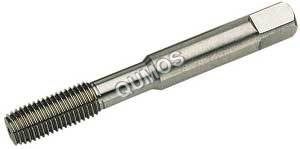
Fluteless Threading Tap HSS
Price 1053 INR
Minimum Order Quantity : 1 Set
Coating : Uncoated / Can be TiN coated
Material : Others, High Speed Steel (HSS)
Features : Chipless threading, high accuracy, durable, ideal for blind holes
Processing Type : Thread Forming

Contact Details
QUMOS ENTERPRISES
GST : 27AAYPU0913C1ZH
- Shop No.1,12, Nagdevi Cross Lane, 70, Mohammedali Road, Mohammedi Manzil,Mumbai - 400003, Maharashtra, India
- Phone :08045803781

 Send Inquiry
Developed and Managed by Infocom Network Private Limited.
